David Siskind | Sunday, 4 October 2026
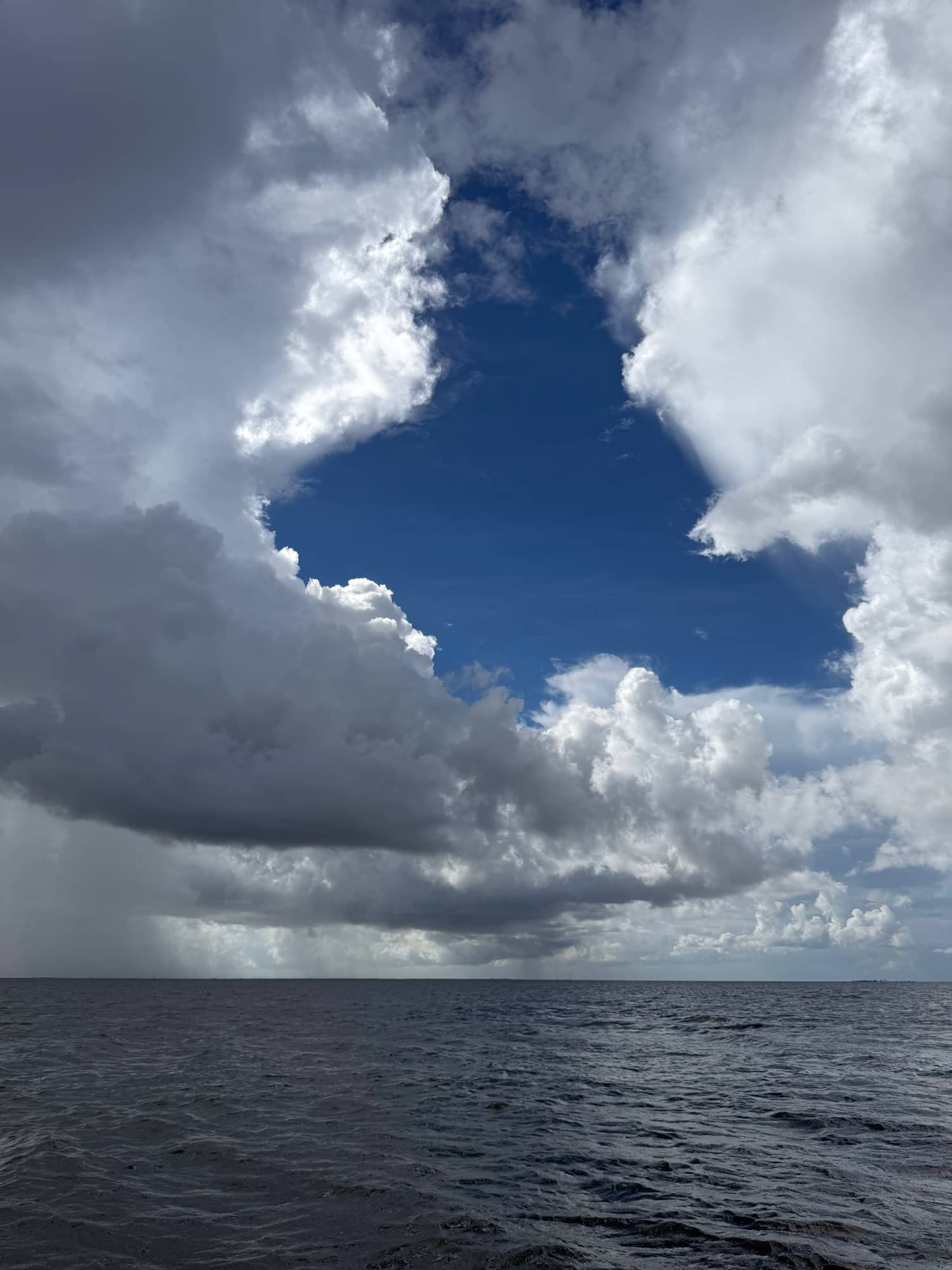
The weather here has been challenging this week. It’s gonna rain everyday. Windy too. Bad luck. It’s early in the season. This year it appears it’s possibly too early. I’ve been fishing the “shoulders” all year and have been punished for it. It’s really quiet here - The weather has scared the locals away.
Brian Boehm is rooming this season with his buddy Craig, a creative guide out of the Miami area. He brought his season opening client, a part-time guide, “other David.” I met him here last year.
It’ll be the four of us all week. We won’t see pleasant conditions and may be blown out tomorrow and maybe Monday. Things are changing every hour so maybe we’ll find some decent conditions. It’s possible but the forecasters say unlikely. We’ll fish backwaters, creeks, and ponds. The big bays and the gulf side will be unfishable.
Still an interesting journey for me, and a dress rehearsal for the guides here, mostly Florida migrants. They just arrived. Where are the fish? How have wind, storms and tide affected the delta and past known productive spots? They have to get hip to the year’s current opportunities.
The Mississippi delta is uniquely and historically industrial. Aging and abandoned gas and oil pipelines, pigging access, oyster beds, and hard to identify wooden debris are everywhere. These hazards and spots where fish have been found in numbers have been mapped by my crew in the past few seasons but there are new hazards to learn and record. The beginning of each season requires a big reset. An orientation.
I’m along for the data gathering. We’re looking for fish and clean water all over the entire reachable area. The marshes, islands, and passes go on for miles. The main channel of the Mississippi is isolated from much of the surrounding delta by levees until it dumps out into the Gulf (of Medico!) just below Venice. There the fresh water spreads out. Venice appears to be a boundary. Below Venice the waters are less intimate generally but a lot of reds are found in large shallow, often weedy, ponds.
The reeds are tall and leggy. Alligators and largemouth bass swim amidst the saltwater fauna. Heading north everything is saltier, the grasses are shorter and most of the fishing is in passes and sheltered creeks and on leeward shores of the numerous islands.
Hanging with people who fish every day is a treat. They are dedicated flyfishers with a dog in the fight. Evenings are entertaining. We talk about lines and flies, effective retrieves, rods we love and diss all malefactors - the incompetent and impolite, people who can’t cast.
But on the water the prospecting has been at best inconclusive. We have not found reds in numbers. I think Brian and I spotted half a dozen in two days, affording maybe three legitimate shots. Craig and other Dave have seen even fewer. The fish we found have not been chewy. Not skittish, just not hungry. Muddy and unusually high water may have obscured others some but I don’t think so.
Yesterday we launched in Venice and worked both sides of the Mississippi. Grinding through conflicting currents heading for a remote pond somewhere, I marveled again how Brian found these spots. East of the main channel there were several flocks of birds working over schools of lady fish. They were fat ones. I caught one, watched it eat - then run and jump. Fun. But we were prospecting for redfish and had no time for such frivolity and moved on.
Today we’ll launch further north, weather permitting, to try some marshes further west. I’m ready. Show me a fish.
Still Learning,
David Siskind