Kalyn Hoggard | Monday, 25 August 2025
I feared the day would come when I started to run low on stories and would need to rely solely on my thoughts to develop something to write about. So, we’re going to call this episode "Sex, Politics, and Religion." Unfortunately, my primary involvement is with fly casting, and I don’t have much else that interests me in conversation. Well, unless it involves catching a fish with a fly, discussing flies, leader builds, or potential fishing spots. I’m guessing you catch my drift. That one pun is for my wife, and it’s certainly intended. Judge me if you must.
So, let’s talk about something everyone agrees on: Casting Mechanics. Rather, let’s talk about casting instruction.
Maybe my side of the pond is particularly bad for this, but it seems there are quite varied opinions on how one ought to teach someone to cast, what one should teach about flies, and who we want our students to become. There have been debates—a fair observation, considering this very website has hosted some heated discussions on the topic. You might go as far as to say that this is the "Thunderdome" for that type of dialogue. I’m not going to be doing that. I certainly don’t claim to have all the answers regarding casting mechanics, but I am out there looking. I will say that I’m a recently certified casting instructor through FFI who dabbles in the dark arts of competitive casting. Therefore, I at least think I know a thing or two about it. But that isn’t what I want to discuss…
I’m certain this conflict is much larger in my head than it actually is, but we, as a community of casting enthusiasts, disagree about loop formation. We disagree about what constitutes a cast or a casting stroke, the differences between curves and mends, how to teach, what to teach, and why to teach. Seemingly, we agree very little when it comes to this little obsession we share, and I’m not sure the debates will never end. I do believe that if we all examined the diverse ways casting mechanics are discussed and were willing to place them into the proper context, we would have fewer arguments. “Well, what the hell does that mean?”
I think it would be wise to take a step back and consider the target audience. If, for example, I’m a drift boat guide and I say, “All you have to do to make a fly cast is lift up and slam your bobber upstream,” you might concede that, while that’s not all there is to it, given the circumstances, “I’ll allow it.” Conversely, if you make an interesting discovery while reading a physics article about casting mechanics, you may not need to discuss that with your beginner student who just wants to try fly fishing. A detail you recently discovered decades into your fly journey may not influence your student’s casting at all.
Does that mean it’s acceptable to withhold information that could lead to optimal success for the person you’re talking to? Maybe. Does a microsecond detail really change how the highest caliber casters perform? Maybe. Are there ways to teach fly casting to anglers that differ from how you teach serious casters, instructors, or competitors? Perhaps.
How do you teach something effectively when so many people disagree on the fundamental mechanics? I suppose the only follow-up questions are, “Who am I teaching, and why?” What are the drawbacks of trying to create a one-size-fits-all approach to definitions and theories about casting? Can one size fit any, much less all?
It seems that many instructors, teachers, shop owners relish helping someone succeed in learning to fish a fly. These instructors understand that some students need to be shown or taught in various ways for different reasons. They develop lesson plans around the student’s needs and adapt to whatever the situation may bring. I don’t think any of us would argue that being able to do that isn’t desirable in a teacher. Most of us have drills upon drills upon drills. We have various ways to deliver the message, but we may drastically disagree on what that message should be. However, I also find myself thinking, “Tell me the name of the person that taught you that.”
I’m increasingly leaning toward the idea that the message should differ based on the student in front of us. I like to think about it in terms reminiscent of how I was taught mathematics. Arithmetic for newcomers. The basics are essential to wave the rod around and maybe catch a bluegill at the pond. Algebra for anglers. Now we need to learn how to hone our control over the line, gaining a tactical advantage against our quarry. Calculus for the curious. Here, I must learn if it’s possible for me to make loops that could indeed kill a man. Many devotees seem to land somewhere between Algebra 2 and Pre-calculus; they wish to discuss casting as if it's calculus but have only invested time into the fishing part. To further the analogy, there are arithmetic, algebra, and calculus teachers, too. I hear some physics professors isolate themselves in the wilderness and are our last hope for finding and training the remaining Jedi.
“Okay, Kalyn, what’s your point?” I think our community is plagued by calculus students who aspire to be professors and publicly judge arithmetic teachers for not explaining zero correctly. We also have algebra students who think they can teach Algebra 2 to their buddies at the shop. Meanwhile, fly fishers are primarily influenced by whichever video they saw featuring some pseudo-celebrity explaining casting online. We are fortunate that some discover Paul’s videos and the Board if they dive deep enough, but how many of those are there?
So, what can the community do? Well, you might want to establish an organization that is apolitical, one that collaborates with physicists to devise definitions and theories that can be reproduced and agreed upon. You could then take that information, make it accessible, and create instructors capable of teaching people how to cast a fly rod well enough to fish. That’s certainly a wonderful idea, BUT we don’t agree on the definitions, and we are highly critical of those who only teach the bare essentials needed to start fly fishing.
Fancy me talking, I suppose, because when I see a post with terrible ideas about wiggling a stick on Instagram, I often say aloud, “Nope, that is wrong.” There seems to be a level of poor casting instruction that ought to be stopped for the sake of mankind, but I digress…
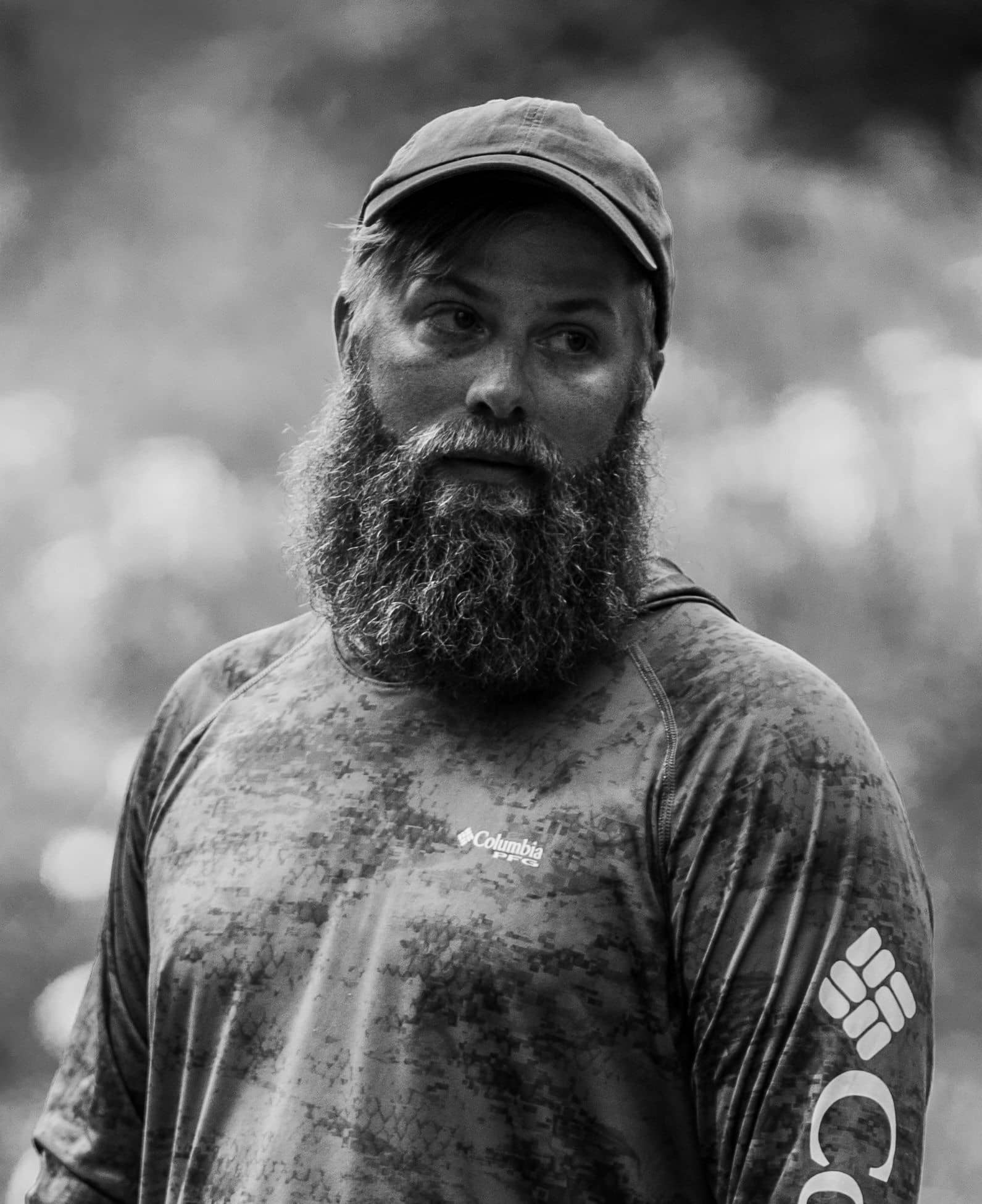
Photo Credit: @karl_spiekerman_photography Thanks man I know you have your hands full trying to make me look like a professional.