Paul Arden | Monday, 21 September 2026
Last week I trained about 15 hrs of which 15 minutes was devoted to swimming. Yep, we won’t talk too much about the swimming! But if I actually manage to swim this week, as intended, then I’ll get close to 20hrs training this week. It’s not professional triathlete standard but it’s significant. I’d better have a good IM this year!!
Also I had 15 flycasting lessons, which is what I try to average weekly (no more!). That’s plenty. Great fun they are too! I had a couple of standout moments last week. The 170 has been huge for Dale and he looks like a really connected caster now. Speys has transformed Jansen. Both aspects I want to talk about later in this FP.
Back to my fun-packed and adventurous week… I had my regular 3 Malay Language classes with Miss Soo. I haven’t done my weekend homework… yet. But I am learning this thing… slowly. And of course I’ve been fishing! Fishing is not very good right now. Soon it will be Wet Season and then it will be. Andy has six Tornados to build. Two Tornados are going out today.
So yes — I’m busy!! We are busy! Everyone is busy!!
It’s a fine line between pushing yourself to get fit and overtraining and getting injured as a consequence. This fine line exists in flycasting too. Lots of casters overtrain for CI and the WCs which results in many cases of Tennis Elbow and wrist problems.
Anyway, let’s talk about flycasting and the benefits of diversifying training and casting breakthroughs. They may not happen how you think!
As many of you know, I coach many casters through Zoom video conferencing on a 1-1 basis. These students I coach for one or many years. I’ve been doing this since the first year of Covid and many students have had 10, 20, 30 and more lessons with me. Most come in at what I call “Intermediate Level” but I also get elite level casters too — some of the best casters you’ll ever see in fact. It’s very interesting and thoroughly enjoyable. I have learned a great deal doing this too
At Intermediate level many casting breakthroughs don’t occur by repeatedly trying to improve distance, accuracy or shots for example (don’t get me wrong; they are very important to practise!), but what I do notice is how often training Speys, Presentations and learning the 170, plays a major development on someone’s overall casting ability, particularly on loop control but also body movement.
Let’s take Presentation Casts and Mends. Usually this is a lesson for each. The Mends primarily being the Reach Cast, Curve Mends, Hump Mend and Wiggle Cast. And the Casts being overpowered and underpowered Curve Casts, Various Collapsed Casts, Pile and Puddle Casts and possibly uses for Tails (but that usually comes in a later lesson). To be effective at presentation casts you need to have excellent loop control with the ability to throw both fast and slow line speeds. It’s a bit like painting with the flyline — which is one description that I particularly like.
So why does this help overall casting? I think it’s principally because we are playing with speed and possibly fine motor control too. Mends and collapsed casts usually require slow speeds. Overpowered curves require high speed. Of course these casts are extremely useful for fishing too.
And then with Speys, these are initially done also over two lessons. One lesson is Single Spey and Snake Roll both 45 and 90 degrees (and 135 in the case of the Snake Roll) both forehand and backhand. (The dynamic roll/ jump roll/ Switch Cast will have already previously been taught). And the other lesson is Circle C, Snap T and Double Spey, also 45 and 90 degrees (and 135 where appropriate), both forehand and backhand of course.
Now these are also extremely important, essential for river fishing but the movements can also be incorporated into change of angle shots. However what this does for someone’s distance casting and line carry can often be remarkable. I think in this case it’s the subconscious understanding that we can move a long length of line through the air slowly, without it falling to the ground. In fact it’s very easy to miss anchors!!
Both of these lesson blocks can absolutely transform someone’s casting out of sight. And it’s not just loop control; if you analyse casting as I do, analysing body movement and transfer of momentum through the body, how smoothly the caster moves, you can always see an extremely positive development. Learning to single handed Spey cast will often indirectly put 10 or more feet on someone's distance cast and unlock the door for further improvements.
No one will reach their potential as a fly caster and fishermen without learning and training these blocks of casts. But my goodness the transformations I see as a result of learning them are far reaching.
They are all in here:
https://www.sexyloops.com/flycast/introduction/
I do some things differently nowadays. For example everything above needs to be trained to targets. There is not much point in any of this stuff if the fly doesn’t land in the right place. And if you can do it all, then the next step is to combine them. Every presentation cast and mend can be performed off every Spey cast. This is the Advanced level casting performances that some seek and it’s one way to further develop single-handed Speys... and are very useful for fishing too.
Ok I have Malay lesson coming up. Wish me luck!
Have a great day and week.
Cheers, Paul
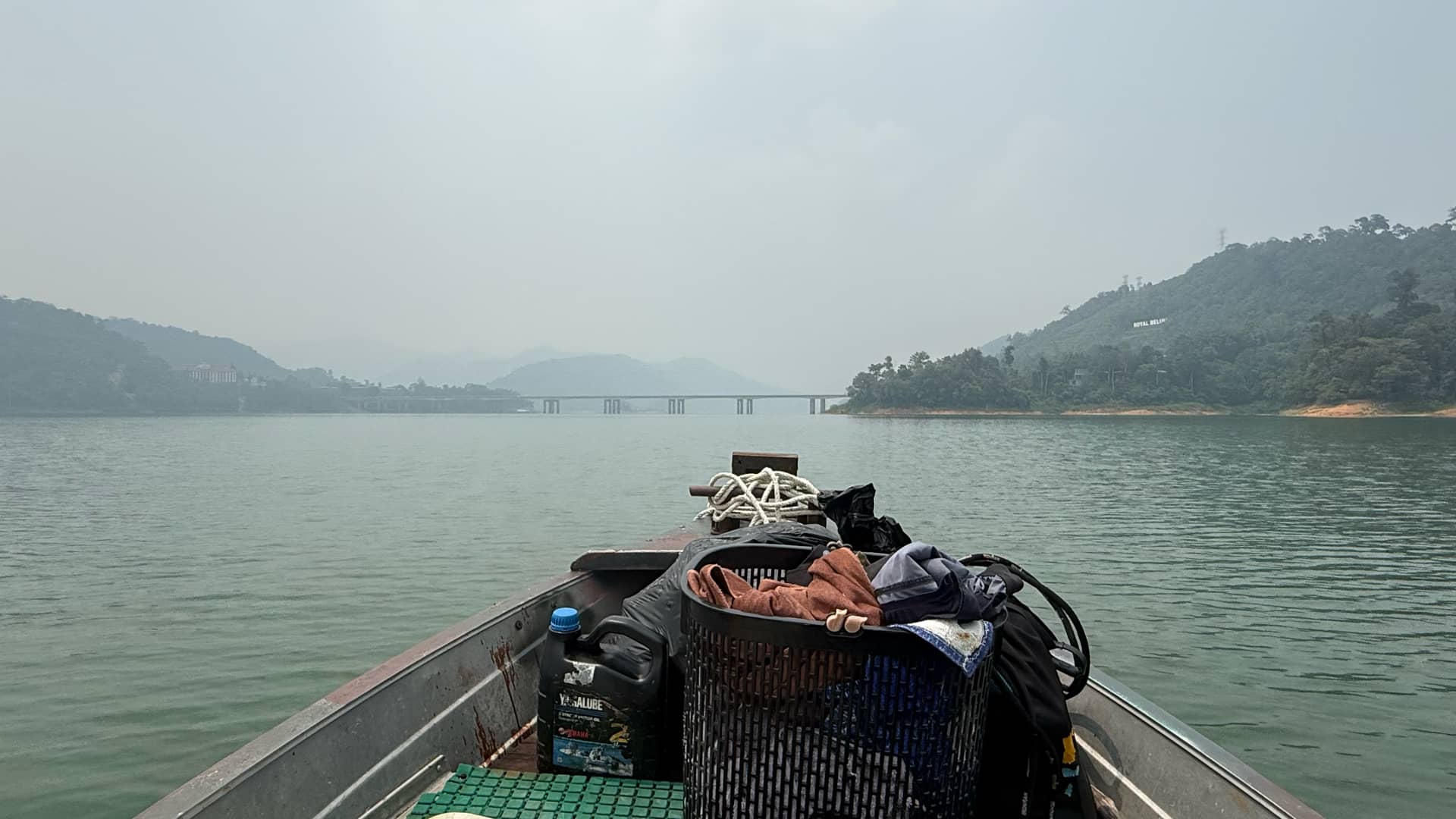
POD: the haze from Indonesia was bad last week. One day the recommendation was not to do outdoor activities. I live outdoors! Fortunately the haze has mostly gone today.