Martyn White | Thursday, 12 November 2026
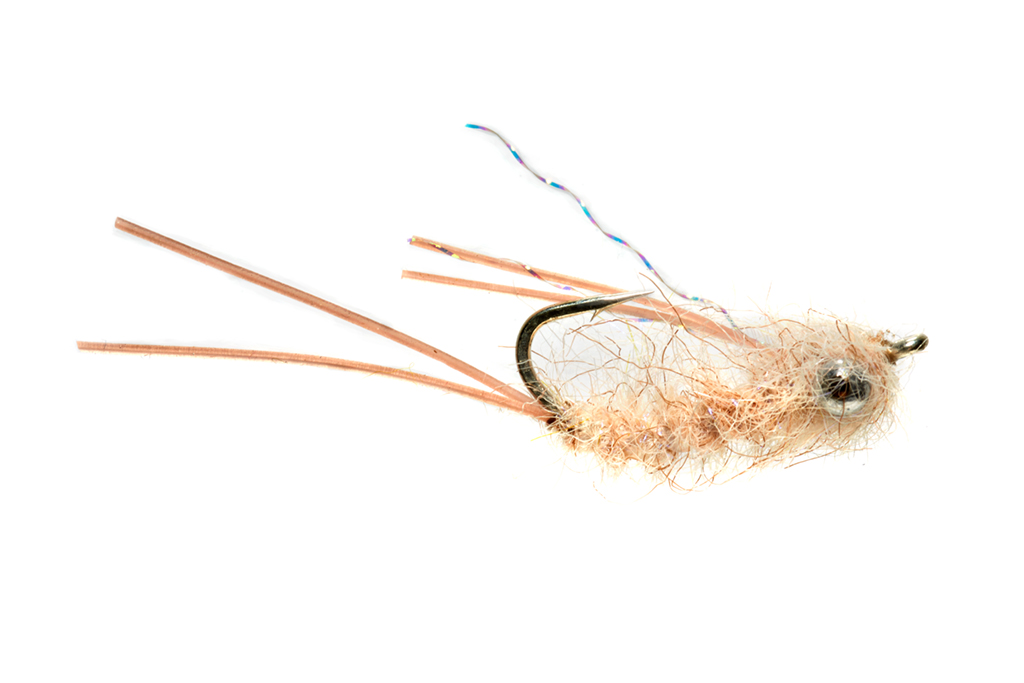
This week's pattern is one of my own: The Other. I'm still on my flats fly kick, but this is one pattern you're less likely to know or have fished.
It's a pattern I've been tying and tweaking for almost 20 years now and I've often jokingly told friends that it's the best bonefish fly in the world, but it's only half a joke, the fly is deadly for skinny water and it's such confidence fly that I feel like I've never had a fish refuse it. Of course I have had fish refuse it.
Of course, it's no magic bullet (I'm not some bullshit merchant writing in an 80s or 90s magazine) but everything in the fly is functional and there's nothing in there without good reason:
The body is made of well brushed, coarse, translucent dubbing which helps the fly land softly, creates a lovely silhouette that allows light transmission and the blends with the bottom colour, and is constantly moving. Brush it mostly up into the hook gap and the sides.
The dubbing is protected by a fairly closely spaced rib of D-rib, which also creates a nice segmentation reminiscent of shrimp especially once the fly is in the water.
The movement is from legs, positioned to apply drag in the right direction they mean there's no need for craft fur or some other material as a wing that can obscure the body or foul on the hook. They're set at a length that stops them being able to tangle and becuase of how they're angled they point up defensively.
The flash is minimal and there are no orange or pink hotspots - essentially nothing like that that could put a fish off the eat.
Here's the recipe:
Hook: Gamakatsu Sl11-3H size 8 and 4
Thread: Flat waxed nylon
Weight: Small to medium beadchain
Legs: Silli leg or rubber
Body: Coarse dubbing
Rib: Meduim D-rib
Flash: one strand of crystal flash
You can make your own dubbing or just buy something like EP shrimp dub, FM salt shrimp dub or the shrimp dubbing from Fly Tyer's Dungeon- ideally you want something with a bit of fluorecnence in it that isn't a hot colour. For example you could dye something grey with fluorescent yellow to get a nice olive colour or you can mix fibres like fluo white into a tannish brown dubbing to ligten the overall shade for sandy bottoms. All without putting potentially spooky colours in the fly. There's good reaon for this, a great many invertebrates that are found on the flats are naturally fluorescent, even if they're not "bright" colours. So, as we can imitate this and make the fly more visible to the fish without adding a potential refusal trigger, we should.
You can go heavier/bigger if you want, I've tied them with lead dumbbells for people fishing Northern Australia for blue bastards and they've worked. But for me this fly does best in the skinny stuff. Either way it's caught bones, and other flats species all over the world already so why not put some in your box and add to that?